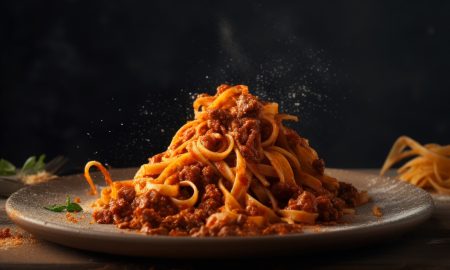


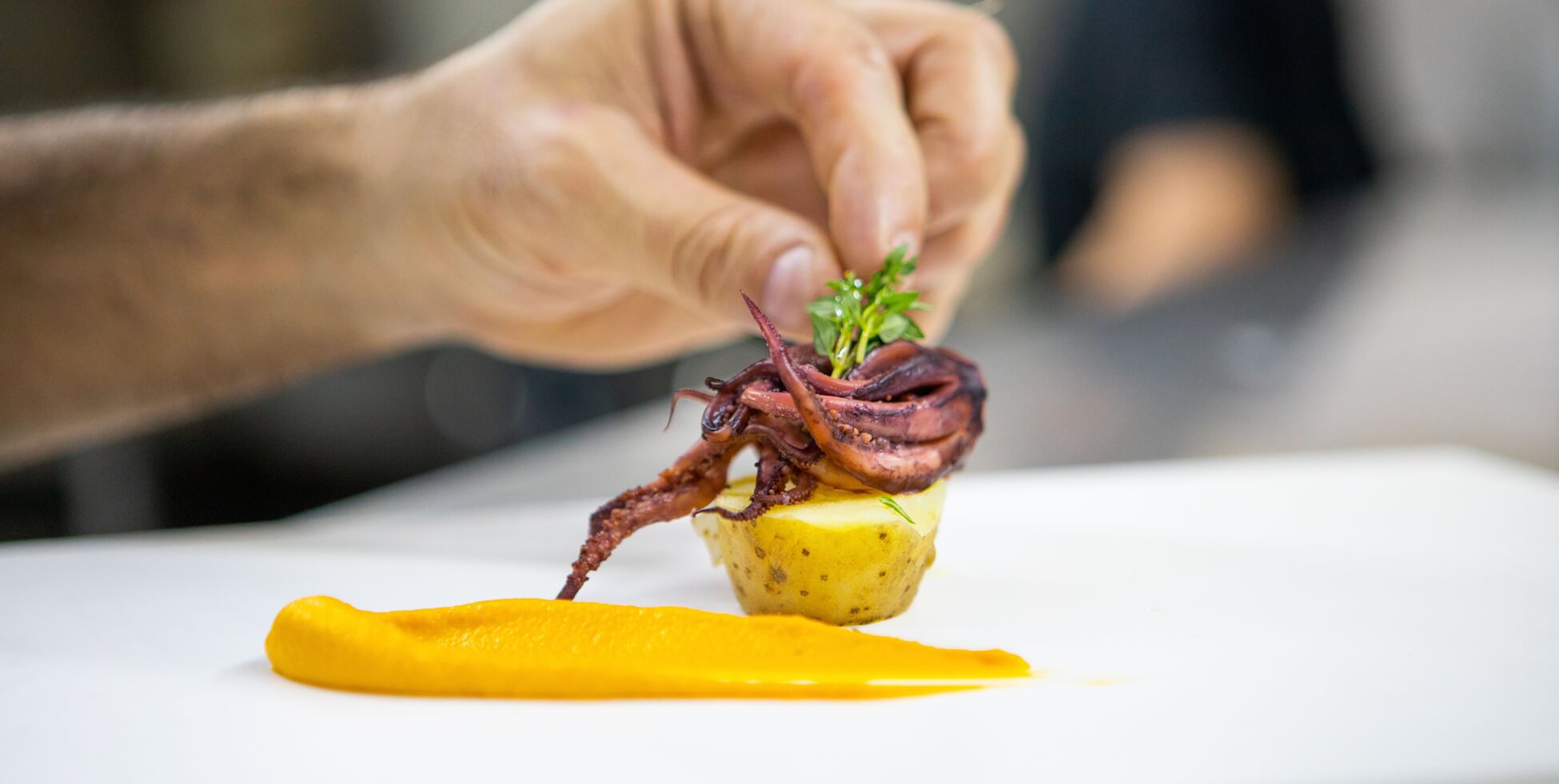
Admittedly, we can’t dish up anything completely new and independent with these 2026 Food Trends. But that doesn’t mean it’s not worth looking outside the box. Change is indeed happening – in kitchens, start-ups, and laboratories that are reimagining, recombining, and re-implementing existing concepts.

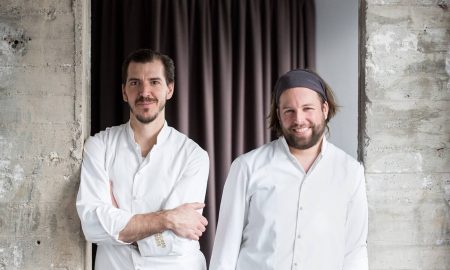
Image: Joppen
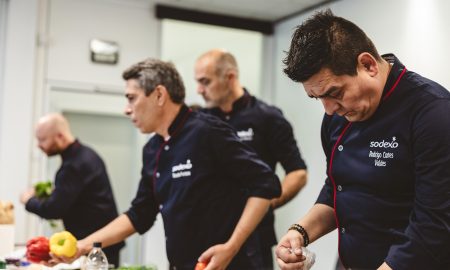
Experts like Pierre Nierhaus offer concrete examples. After a 25-year career in foodservice, the Düsseldorf-born Nierhaus now works as an international concept developer and an innovation and business coach in the hospitality industry. As such, he takes regular trend expeditions to thirty cities around the globe and publishes his Gastro Trend Report each year. “In the last two months alone,” he says, “I’ve been to Singapore, Chicago, Las Vegas, London and now Malaga.” If something shows up multiple times, works in different places, and seems to be developing, he considers it a potential trend. However, he warns, trends should not be considered separately from their cultural and regional context, because people’s eating habits are often influenced by their childhoods, cultures, and everyday lives. And not everything that works in New York automatically catches on in Munich.
The most important 2026 Food Trends
Plant-based, natural, and flexible
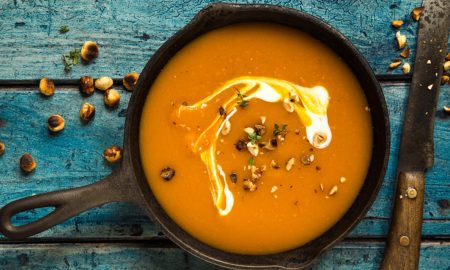
There’s been a clear shift towards plant-based cooking for some time now. What’s new, though, is that we’re no longer content with vegan cutlets and sausages. Instead of imitating meat, more and more plant-based dishes are developed as standalone creations. Pierre Nierhaus explains that roasted flavors and advanced grilling techniques to enhance vegetable flavor are particularly important: “You can’t just put all the vegetables on the grill together, because some will end up mushy or burned to a crisp. Cooking times have to be adjusted accordingly – similar to a steak.”
Though customers still value naturalness and regional products, trends are shifting away from rigid labels. Many people are eating more consciously, reducing their meat consumption without avoiding it categorically. “People are getting more flexible,” the expert says. “More and more, they’re saying, ‘I eat mostly vegetarian, but if the meat is good and sustainably produced, I’ll eat that, too.'”
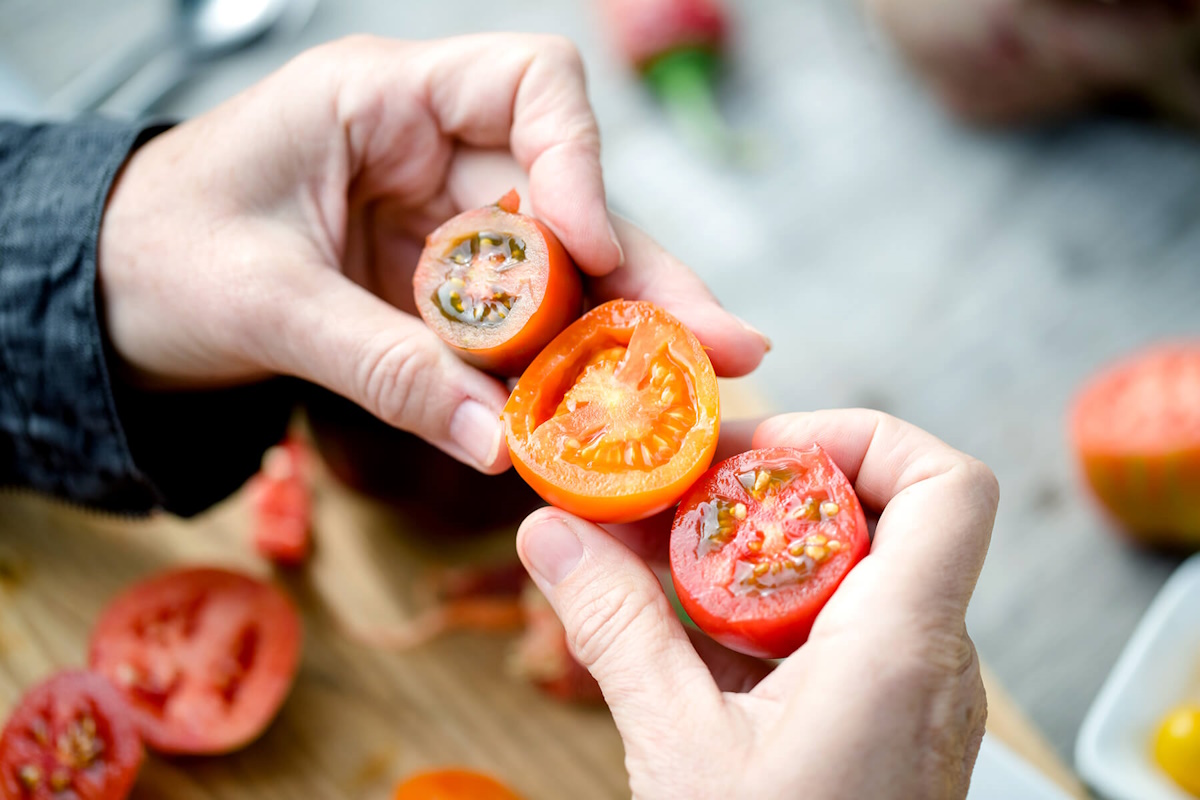
Image: Nicole Heiling
Snacks as a status symbol
One of the 2026 Food Trends that has most recently accelerated due to the pandemic, urbanization, and increasing mobility concerns our overall eating habits. Midday is increasingly devoted to snacking , while people consciously make time for their evening meals. As such, Nierhaus sees individual restaurateurs’ strengths less in cheap lunches than in evening meals. At the same time, snacking itself has also changed: in a certain respect, it’s grown up. “It’s healthy now, it’s sexy. It’s not just about getting full,” the trend expert explains. “Snacks have almost become like little status symbols.” You are what you eat – and especially where you eat. Whether it’s at Starbucks, a chain sandwich shop, a corner bakery or a high-end cafe. Either way, though, convenience and enjoyment mustn’t be compromised… not to mention packaging.
We eat with our eyes
This assessment matches what Food Campus Berlin has observed. The innovation hub connects science, business, and creativity to develop new concepts for the food of the future. In their trend report, they mention kitchen couture as one of the top five 2026 Food Trends. In other words, products should not only taste good but also be visually impressive, tell a story, and serve as an expression of the customer’s own personality, both offline and online. As an example, Food Campus Berlin points to the Italian family-owned company Frantoio Muraglia, which has been producing multi-award-winning olive oil for more than 80 years. It comes in ceramic bottles with a modern design that also looks good on a kitchen shelf.
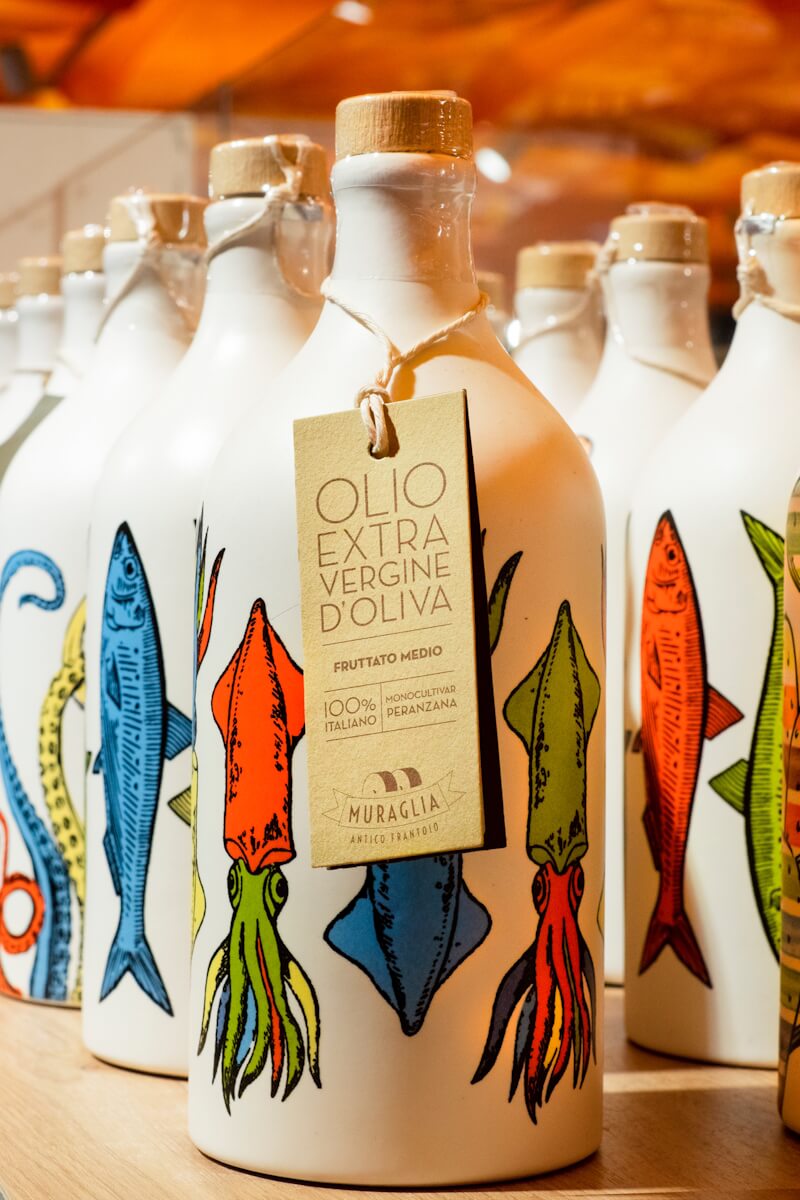
Image: AdobeStock | gpriccardi
Colorful, vibrant, umami-heavy
Pierre Nierhaus does not highlight new national cuisines in 2026. Instead, he anticipates well-known traditions, such as Mediterranean and Levantine cuisine, being developed and interpreted in a wider variety of ways. South American food, in particular, is becoming more important, with the focus not on the individual countries but on the style: colorful, aromatic, umami-forward.
Nierhaus mentions empanadas, which are baked or fried turnovers variously containing fish, meat, vegetables, or sweet fillings. “Just like with wraps, empanadas give you a nice bready pocket that both keeps the filling hot and makes the empanada more portable. And at the same time, it still delivers that comfort-food feeling.” Experimenting with new, fillings and flavor combinations (especially healthy ones) is an essential driver of this trend.
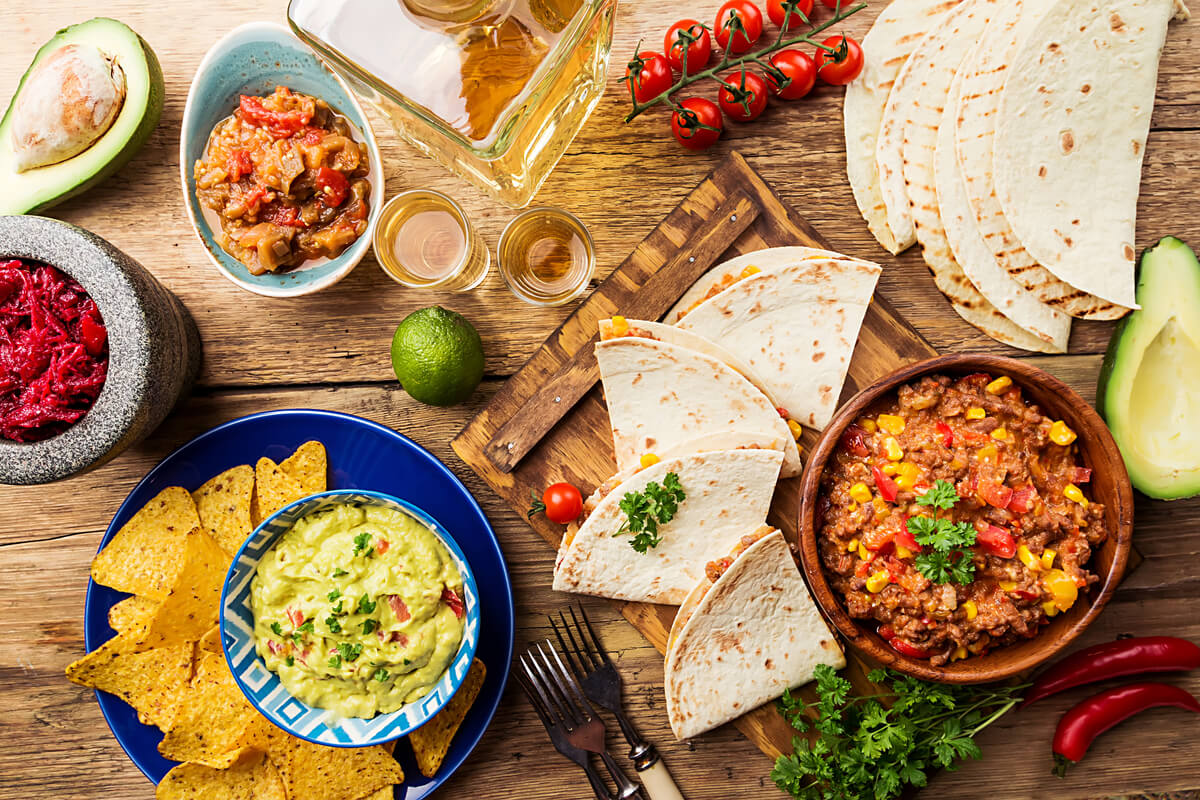
Image: AdobeStock | petrrgoskov
2026 Food Trends with a function
According to trend researcher Pierre Nierhaus, functional cuisine will number among the most important food trends in the coming years. It’s less about traditional moments of enjoyment than about nutrition with a function. Younger generations, in particular, are adapting their eating habits to concrete goals such as longevity or performance. “Food manufacturers have realized that additives are increasingly perceived as flaws by consumers, which brings us back to the topic of naturalness,” the trend expert says. “On the other hand, high-protein products like protein pudding and protein milk are in great demand.”
Food Campus Berlin notes that more focus will be placed on gut health in 2026. Though it’s a less sexy topic than the high-protein hype, there’s an urgent need to address it: in Germany, for example, a study by the Max Rubner Institute showed that 75 to 80 percent of the population do not meet the recommended daily intake of 30 grams of fiber. More and more pro- and prebiotic products are thus landing on the market, ranging from prebiotic lemonades to fiber-rich cereal bars.
Many food trends – one product
Clever companies like Hülsenreich , which is mentioned in the Food Campus Berlin trend report, find ways to combine multiple food trends within a single product. The German start-up processes organic chickpeas and regional pulses in specially developed roasters, turning them into protein- and fiber-rich snacks which then hit our shelves in visually appealing packaging. Healthy, sustainable, and colorful – that’s what our future diet could look like.